
Top Waterproofing Products for Effective Moisture Protection
Explore the leading waterproofing solutions designed to keep your property dry and secure against water intrusion.
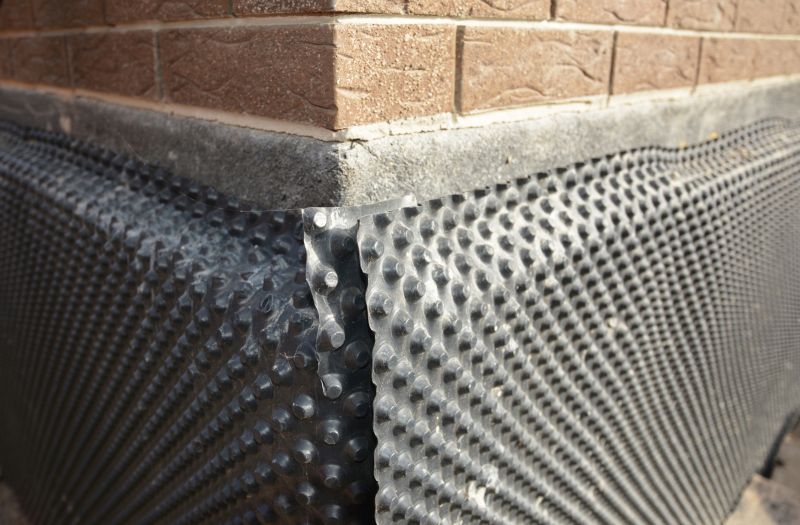 Waterproofing products are essential solutions for protecting structures, surfaces, and materials from water intrusion and damage. They serve a wide range of applications, from sealing foundations and basements to safeguarding roofs, decks, and interior surfaces. Choosing the right waterproofing product depends on various factors including the specific area of application, environmental conditions, and material compatibility. Proper waterproofing can help prevent issues such as mold growth, structural deterioration, and water infiltration which can lead to costly repairs over time.
Top Overall Option
Liquid Waterproofing Membrane
A versatile liquid membrane offers seamless coverage and can be applied to various surfaces including roofs, foundations, and decks. It provides a flexible, durable barrier against water penetration and is suitable for both interior and exterior use. When properly applied, it can adapt to surface movements, reducing the risk of cracks and leaks over time.
Types of Products For Waterproofings
Bituminous Coatings
Asphalt-based coatings ideal for roofing and below-grade waterproofing, providing a thick, protective layer.
Polyurethane Coatings
Flexible coatings suitable for roofs and decks, offering excellent adhesion and water resistance.
Liquid Rubber Membranes
Rubberized liquid coatings that create seamless, waterproof layers on various surfaces.
Cementitious Waterproof Coatings
Waterproof cement-based coatings often used for basement walls and water tanks.
Bitumen Sheets
Self-adhesive or torch-applied sheets used in roofing and foundation waterproofing.
Polyethylene and PVC Sheets
Plastic sheeting for vapor barriers and pond linings, offering durable waterproofing solutions.
Sealants and Caulks
Flexible sealants for sealing joints, cracks, and gaps in various surfaces.
Spray-On Waterproof Coatings
Sprayable solutions that provide quick and even coverage on large areas.
Sheet Membranes
Pre-formed membranes that are adhered or mechanically fastened to surfaces for waterproofing.
Cement Grouts and Mortars
Used for sealing masonry joints and cracks to prevent water ingress.
Hydrophobic Paints
Paints with water-repellent properties suitable for exterior walls.
Bituminous Liquid Coatings
Liquid forms of bitumen for easy application on roofs and foundations.
Polyurethane Foam
Expanding foam used for sealing gaps and cracks in building envelopes.
Waterproofing Tapes
Adhesive tapes designed for quick sealing of joints and cracks.
Epoxy Waterproof Coatings
Resilient coatings often used in industrial settings for tanks and pipes.
Acrylic Waterproof Coatings
Flexible, easy-to-apply coatings suitable for various surfaces including concrete and wood.
Popular Choices
Widely used for roofing and below-grade waterproofing, appreciated for their durability.
Commonly selected for decks and roofs due to their flexibility and adhesion.
Popular for creating seamless waterproof layers on various surfaces.
Favored for basement walls and water tanks for their ease of application.
Often used as vapor barriers and pond liners for their durability.
Commonly used for sealing around windows, doors, and joints.
Chosen for large surface areas requiring quick, uniform coverage.
Preferred for foundation and roof waterproofing due to their reliability.
Popular for exterior walls to provide water resistance and protect against moisture.
Often used in roofing systems for their proven water-resistant properties.
Selected for industrial applications where chemical resistance is needed.
Versatile coatings suitable for many exterior surfaces.
Valued for quick repairs and sealing in tight spaces.
Used for sealing and insulating in construction projects.
Commonly used for sealing masonry joints effectively.
Applied to exterior walls for added water resistance.
In residential settings, waterproofing is often employed to reinforce basement walls, seal cracks, and create a moisture barrier for crawl spaces. For outdoor applications, products like sealants and coatings are used on roofs, decks, and driveways to provide a protective layer against rain, snow, and humidity. Industrial and commercial projects may require more specialized waterproofing solutions such as membrane systems or liquid-applied coatings that can withstand harsher conditions and larger surface areas.
Selecting the appropriate waterproofing product involves understanding the nature of the surface to be protected, the level of exposure to water, and the longevity required. Some products are designed for temporary fixes, while others offer long-term durability. Proper surface preparation, application techniques, and adherence to manufacturer instructions are crucial to achieving optimal results. Consulting with a professional or thoroughly researching product specifications can help ensure that the chosen solution meets the specific needs of your project.
Ultimately, waterproofing is a vital aspect of building maintenance and renovation. Whether for minor repairs or large-scale waterproofing projects, the right products can provide reliable protection against water damage, helping to preserve the integrity and value of your property in Goodlettsville, TN, and beyond.
Key Buying Considerations
- Identify the specific area or surface to be waterproofed to select the appropriate product type.
- Consider the environmental exposure, such as rain, snow, or humidity levels, to choose suitable materials.
- Check the compatibility of the waterproofing product with existing surfaces and materials.
- Evaluate the longevity and durability of the product based on your project needs.
- Determine whether a flexible or rigid solution is needed, especially for surfaces prone to movement.
- Review application methods and whether professional installation is recommended or required.
- Assess the ease of application, including drying time and surface preparation requirements.
- Look into the product's resistance to UV rays if it will be exposed to sunlight.
- Consider the size and scope of the project to select appropriately scaled products.
- Verify compliance with local building codes and regulations.
- Examine the product’s compatibility with other waterproofing or construction materials.
- Evaluate cost versus coverage to ensure budget-friendly options without compromising quality.
- Determine if the product is suitable for interior, exterior, or both types of applications.
- Research customer reviews and expert opinions for insights into real-world performance.
- Ensure availability of technical support or guidance from the manufacturer if needed.